Understanding Chinese Nutrition Therapy
4
min. read
Mar 24, 2025
Written by
Dr. Katie Johns
Symptoms & Solutions
Chinese Nutrition Therapy
Food as Medicine Within a Complete System of Care
Food has been used as medicine in Chinese medicine for thousands of years. Long before nutrition labels, calorie counts, or laboratory testing existed, practitioners observed how different foods affected digestion, energy, sleep, mood, and overall vitality. These observations formed the foundation of Chinese Nutrition Therapy, an approach that views food as a primary therapeutic tool within a complete medical system.
Rather than focusing on numbers or rigid rules, Chinese Nutrition Therapy emphasizes nourishment, balance, and supporting the body according to its individual needs and current state.
A Different Medical Framework
Western nutrition often emphasizes measurable values such as calories, fat content, protein intake, and specific nutrients. This framework can be useful in many clinical settings, particularly for identifying deficiencies or managing certain disease states.
Chinese Nutrition Therapy comes from a different medical paradigm altogether. It is rooted in Traditional Chinese Medicine, a complete system of medicine that includes acupuncture, herbal therapy, nutrition, movement, and lifestyle guidance. Rather than focusing on numerical targets, this approach looks at how food functions within the body to influence digestion, energy, circulation, fluids, and overall balance.
Instead of asking how many calories or grams of protein a food contains, Chinese Nutrition Therapy asks questions such as:
Does this food warm or cool the body?
Does it strengthen digestion or create stagnation?
Does it nourish fluids or contribute to dryness?
How does it affect energy, circulation, and resilience?
Within this system, foods are categorized by their energetic qualities, flavors, and actions in the body. This explains why two people can eat the same “healthy” food and have very different responses. The food itself is not inherently good or bad. Its effect depends on the individual and their current condition.
Personalized Nutrition Based on Chinese Medicine Diagnosis
Chinese Nutrition Therapy does not function as an add-on or secondary consideration. It is an integral part of Chinese medicine and is guided by the same diagnostic framework used for acupuncture and herbal therapy.
Recommendations are based on a Chinese medicine diagnosis that considers digestion, energy levels, stress response, sleep, temperature regulation, hormonal patterns, and emotional state. Two people with the same Western diagnosis may receive very different dietary guidance because their underlying imbalances are different.
Licensed acupuncturists are trained to assess these patterns through detailed intake, observation, and tongue and pulse diagnosis. From this perspective, food becomes an active form of treatment rather than general advice. Patients are guided toward foods that support healing and away from foods that may unintentionally exacerbate imbalance.
The Role of Chinese Herbal Medicine
Nutrition guidance is often paired with Chinese herbal medicine when appropriate. Herbs are selected using the same diagnostic principles and work alongside food to support the body more deeply.
Herbal formulas may be used to strengthen digestion, regulate stress, support immune function, improve sleep, or address chronic patterns that take longer to shift with diet alone. When prescribed thoughtfully and monitored by a trained practitioner, herbs become another essential tool within the system of care.
When This Approach Is Especially Helpful
Chinese Nutrition Therapy is particularly effective for people experiencing:
Digestive concerns such as bloating, reflux, or irregular bowel movements
Fatigue and low energy
Hormonal changes and menstrual concerns
Sleep disturbances
Chronic inflammation or sensations of heat or dryness
Stress-related symptoms and nervous system imbalance
Rather than chasing symptoms, this approach helps patients understand why their bodies respond the way they do and how daily choices can support long-term balance.
A Practical and Sustainable Way to Eat
This approach to nutrition is not about restriction, perfection, or eliminating entire food groups. It is about learning how to work with your body, your environment, and even the seasons. Often, small and consistent changes have the greatest impact.
Over time, many patients notice improved digestion, more stable energy, fewer cravings, and a clearer sense of what foods truly nourish them. Eating becomes less confusing and more intuitive.
Food as Daily Medicine
At its core, Chinese Nutrition Therapy is about listening. Listening to the body’s signals, honoring its needs, and using food and herbs as everyday tools for health. Because food is something we interact with daily, nutrition becomes one of the most practical and empowering ways to participate in healing.
Chinese Nutrition Therapy offers a complete, time-tested framework for understanding how food interacts with the body. When used alongside acupuncture and herbal medicine, it allows care to extend beyond the treatment room and into daily life.
If you are curious about how food may be supporting or challenging your health, our practitioners are happy to guide you as part of your care.
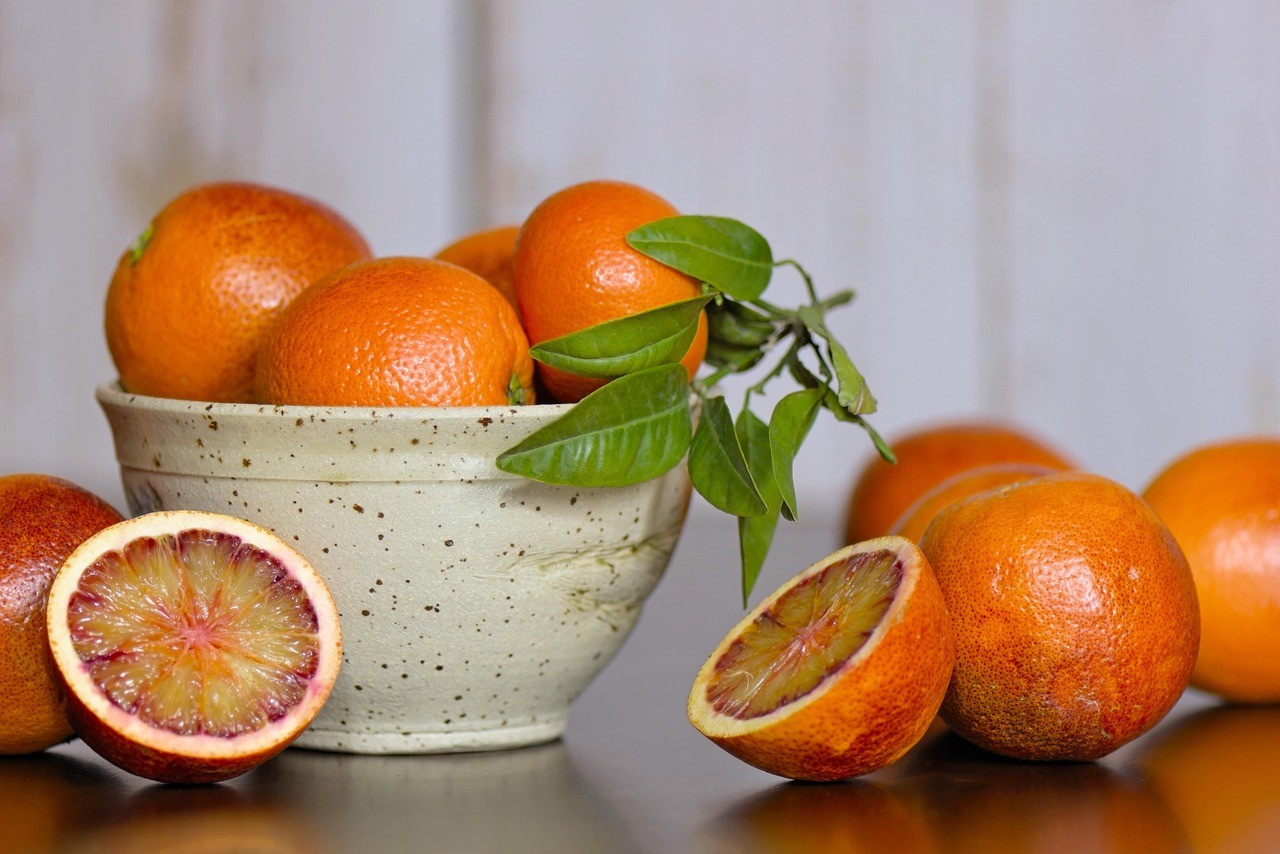
Food as a daily therapeutic tool guided by Chinese medicine principles.
